Plan club teamwear, volunteer clothing and fan merchandise around the wearer, design, quantities and approvals. Confirm the exact production offer and measure results before expanding the range.
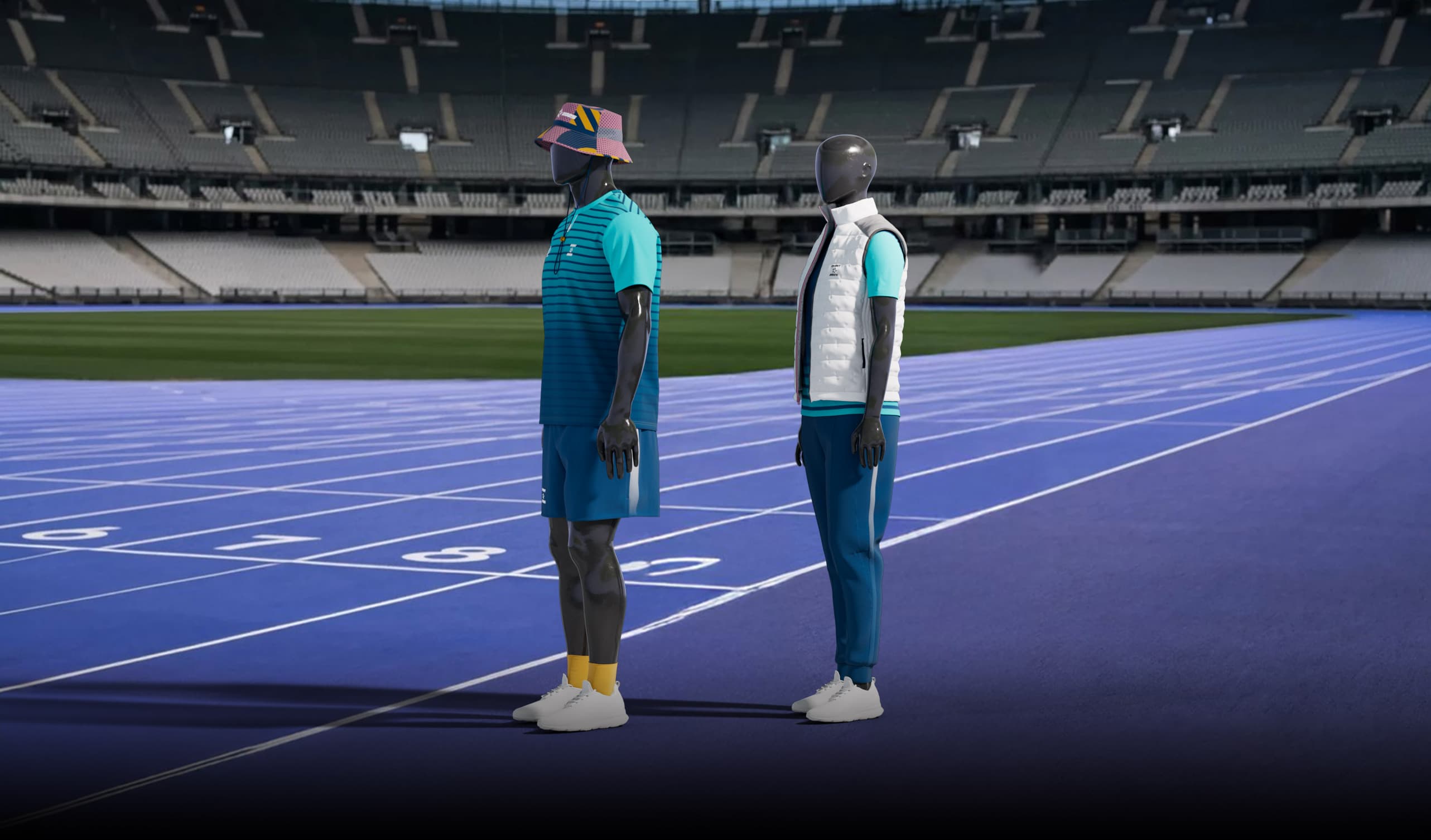
A club collection starts with the people who will use it. Players need clothing suited to their activity; volunteers need to be recognisable at events; supporters may want something they can wear beyond matchday. Define those uses before choosing products or placing a crest on a mockup.
Merchandise can express a club’s identity. It does not automatically increase membership, sponsor value or sales. Plan a useful collection, confirm its production requirements and decide what evidence will help you judge the result.
Separate teamwear, volunteer clothing, supporter merchandise and fundraising products. Each has different requirements for fit, quantity, price and distribution. A training jersey and a supporter hoodie can share a visual identity without sharing the same fabric or decoration specification.
Start with a manageable range. Ask intended wearers what they need and check their sizes before ordering. Interest is useful planning evidence, but a survey response is not a paid order. Keep confirmed demand, replacement stock and unsold inventory separate in your budget.
Gather the current crest, approved colours, sponsor artwork and any names or numbers. Confirm permissions and who can approve the design. Show where each mark should appear, its intended size and the hierarchy between the club and sponsors.
Review the design on the selected product, including smaller sizes and contrasting colours. Fine lettering that looks clear on a large screen may not suit the available print area or production method. Ask the producer to confirm the artwork requirements and any proposed changes before approving them.
Compare product-specific measurements, fabric information, care instructions and available sizes. Consider movement, layering and the intended use. A familiar size label does not replace the measurement chart of the exact garment.
Ask which decoration options are supported on that material and placement. A digital image cannot establish physical feel, fit or wash performance. When evaluating a physical sample, record which product, material and decoration specification it represents; another garment may require a separate review.
Confirm the sponsor marks, placement, campaign dates and person authorised to approve them. If a collection supports a charity or event, agree how the message and any fundraising arrangements will be communicated. Do not imply that buying a product makes a contribution unless the arrangement is confirmed.
Work backwards from the date the items are needed. Include design review, production checks, any required or selected samples, production and delivery. A target launch date is not a confirmed delivery commitment. Ask what is possible for the exact quantity and destination before announcing availability.
Include products, decoration, setup, artwork work, proofs or samples, packaging, freight and applicable taxes. If the club will sell items, also consider storage, distribution, exchanges and unsold stock. Compare confirmed offers using the same product, size breakdown, artwork and delivery requirements.
Minimum quantities and prices depend on the specific offer. A smaller range can simplify planning, but it does not guarantee a low minimum or profitable sales. Confirm the terms before taking money or promising products to supporters.
On supported MerchandAise products, AI-assisted design and interactive 3D can help you explore ideas and review visual placement. Describe the club, its colours, the wearer and the intended product, then give feedback on the design. The preview does not confirm that every option can be manufactured.
Before production, review the exact digital proof, confirmed producibility, required technical checks and any sample approval required or chosen for the order. Confirm product, quantity, price and delivery terms with the design. Already accepted order requirements remain binding; a later change may require a revised proof, sample or offer.
Record which products were distributed or sold, which sizes remain, returns, complaints and wearer feedback. If branding or sponsor visibility is a goal, define an appropriate baseline and measurement method. Estimated possible views are not observed impressions, and sales do not establish profit without the full costs.
For a repeat order, retain the approved artwork and specification, then reconfirm product availability, sizing, price and timing. Do not assume that a previous order guarantees the same offer next season.
Which product should we start with? Start with the wearer and purpose. A volunteer shirt, training top and supporter hoodie solve different needs. Choose a small range that you can explain, budget and approve.
Can we start without design experience? You can describe your idea and review supported AI and 3D design options. Confirm access and product support, then approve the exact version and production requirements before ordering.
Will merchandise increase club membership? That outcome needs measurement. Useful products and a consistent identity can be part of a wider club programme, but no item guarantees membership or revenue growth.
Gather the wearer groups, product ideas, artwork, size breakdown, quantities, budget, destination and required date. Browse supported products or share the club brief. If your request is not available in the catalog, ask which sourcing or alternative-product options can be reviewed.
Published January 15, 2026
Updated October 1, 2026
