
Custom Gym Apparel: Plan Staff Wear and Member Merchandise
Custom gym apparel can identify staff, support a member program or become a product for sale, but each use needs a different brief. This guide covers fit, artwork, quantities, inventory and supplier confirmation without promising brand or revenue gains.
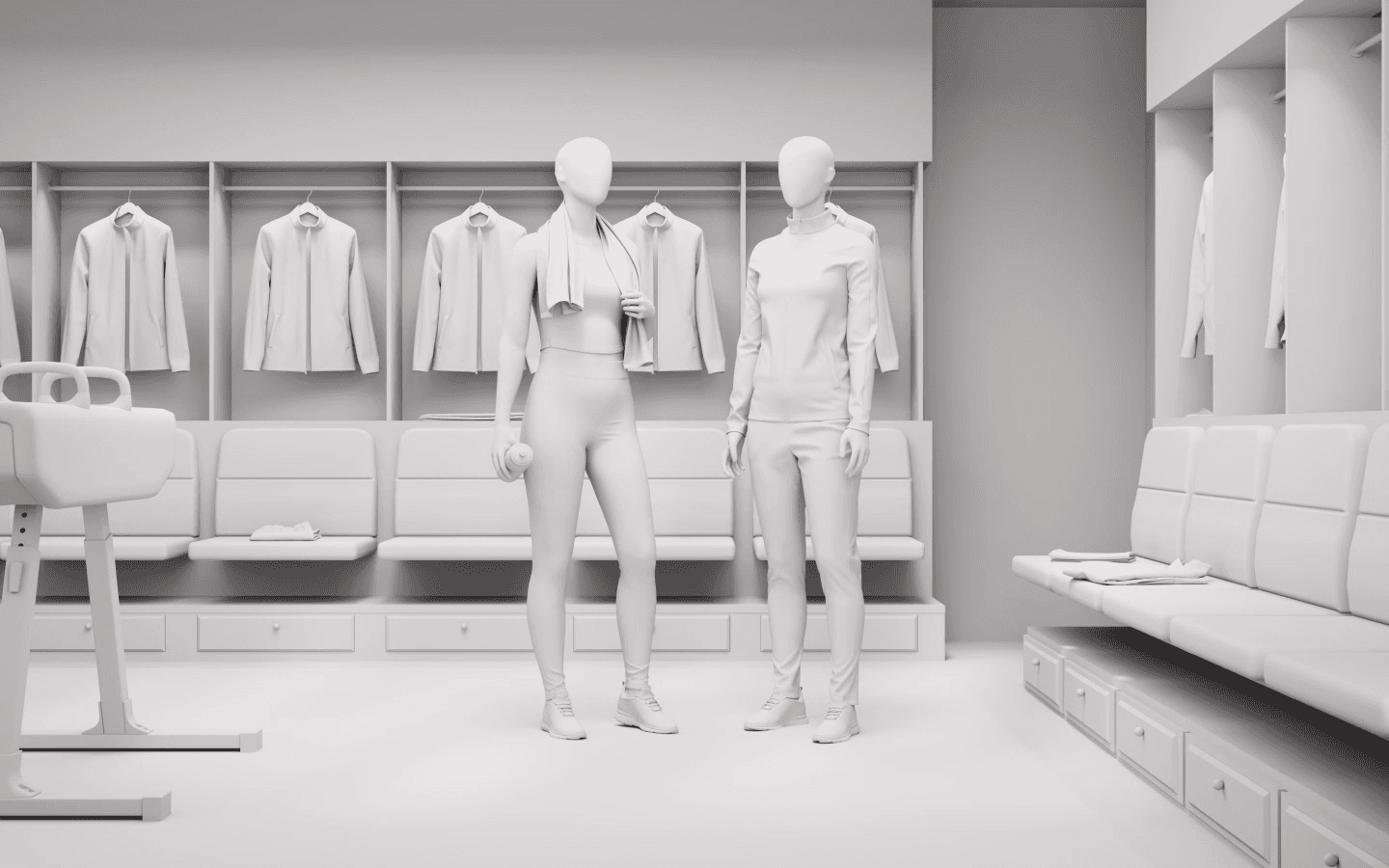
A gym may want staff apparel that is easy to identify on the floor, a shirt for a member challenge or a small retail collection. These are different jobs. The right product, quantity and approval process depend on who will wear the item, how often it will be used and whether the gym will distribute or sell it.
Branded apparel can express a gym's identity, but it does not by itself prove stronger community, more walk-ins or higher revenue. Build a practical brief first, then decide what outcome you will measure if the program is intended to do more than dress the team.
Separate staff wear from member merchandise
Staff uniforms need to work during a shift. Ask about fit, movement, care, available sizes and whether names or roles should appear. A coach's shirt may need a different cut or fabric from a front-desk layer. Decide how many pieces each employee needs and how replacements will be handled.
Member merchandise has another purpose. A challenge shirt might commemorate one date; an everyday hoodie may need a broader size range and a design people want to wear outside the gym. If the item will be sold, plan how members can see sizes, what stock the gym will hold and who handles exchanges or questions. Do not assume a single product and print specification suits both the staff and retail programs.
Choose the exact garment before final artwork
Compare product-specific measurements, fiber content, color options and care instructions. If possible, check a physical sample in the intended activity. Stretch, opacity, drape and decoration feel can matter more during exercise than they do in a static image. A familiar size label is not a substitute for the chart of the selected garment.
Write down the planned use: strength training, group classes, outdoor events or casual wear. Ask which decoration techniques are available for that exact fabric and placement. A supplier may suggest an alternative garment or print method to meet the brief; treat that as a new option to review, not an unnoticed substitution.
Make the visual identity usable
Prepare the gym logo and any slogan in the best source format available. Decide where the mark belongs and how large it should be on each garment. Check readability on the actual color and size range, especially on smaller cuts. If a sponsor, trainer name or event date appears, confirm the spelling, usage rights and person who can approve it.
Keep one version of the artwork for each product. A request such as “make the logo more visible” is easier to act on when it names the exact garment, color, size and placement. Save approved versions for later reorders, while reconfirming product availability and commercial terms each time.
Estimate demand without treating inventory as a win
For staff apparel, calculate the current team size, pieces per person, sizes and a justified replacement allowance. For a member launch, test demand before ordering a large assortment when feasible. An interest list, preorder process or limited initial range can provide a clearer signal than guessing from total membership.
If the gym plans to sell merchandise, calculate the complete landed cost and the price it intends to charge. Include decoration, setup, samples, freight, taxes where relevant, storage and the handling of unsold stock or exchanges. A proposed retail price does not prove a margin until the supplier has confirmed the exact product and order quantity.
Review design and production separately
On supported MerchandAise products, interactive 3D can help a team discuss color and artwork placement. That preview is not a fit test, a material sample or a guarantee that the selected decoration is available. Ask the supplier to confirm the exact garment, quantities, print or embroidery method, proof or sample path, price and delivery requirements.
Agree who checks the digital proof, size breakdown and any physical sample. Record the accepted version before production. If staff and member items share a logo but use different garments, approve each product separately.
Decide how success will be judged
For staff wear, the relevant test might be comfort, durability in use and whether visitors can identify employees. For a challenge shirt, ask whether it arrived on time and reached participants in the right sizes. For a retail collection, track actual sales, returns, stock and contribution after costs. Feedback is useful, but do not turn an anecdote into a claimed percentage improvement.
You can browse apparel to identify a starting product. If you have a staff program, member collection or special event in mind, share the gym brief so a supplier-backed option can be reviewed against the real requirements.
Questions gym teams often ask
What item should we start with? Start with the wearer and use. A staff shirt, challenge top and retail hoodie have different fit, stock and approval needs.
Can members buy the design immediately? A saved design does not establish availability, price or fulfillment. Confirm the product and commercial path before offering it for sale.
Will branded apparel increase membership? Apparel can be part of a wider program, but its effect must be measured against an appropriate baseline. Do not assume a direct lift.
Published May 22, 2025 - by Marc
Updated October 1, 2026