
Teamwear in Berlin: Plan a Consistent Club Collection
Prepare Berlin club teamwear with a size roster, crest and sponsor artwork, clear placement, exact production approval and a confirmed delivery offer.
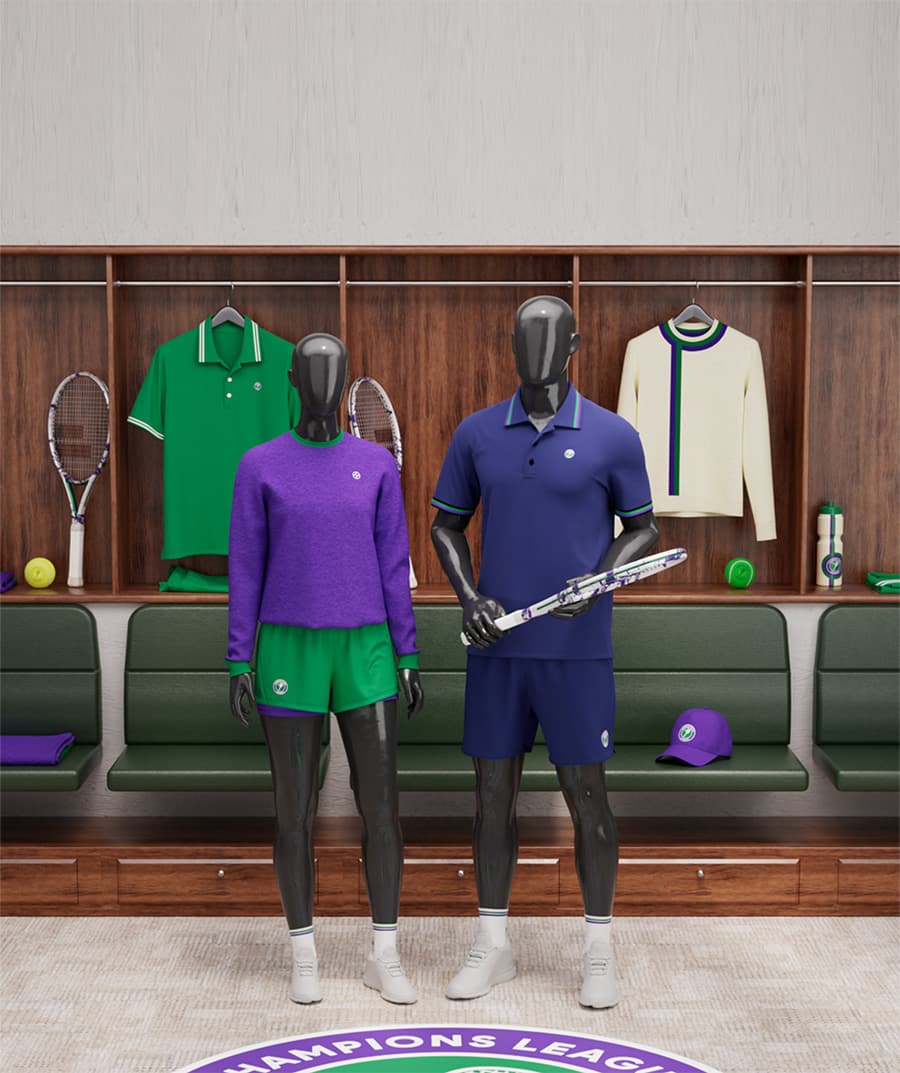
A consistent teamwear collection starts with the people who wear it. For a Berlin club, distinguish playing kit, training wear, volunteer clothing and supporter items before choosing a visual direction. Define what each item needs to do and who can approve the order.
Confirm manufacturing location, stock availability and delivery service for the specific product, quantity and destination.
Build a size and use roster
Record the wearer group, quantity and size breakdown for each item. Compare the exact garment measurements and expected movement or layering. The size name on an earlier shirt is not a substitute for the chosen product's measurement chart.
Separate planned replacement stock from confirmed current demand. A broad range is not automatically useful: it can add artwork, stock and distribution work. Begin with products the club can explain and manage.
Give the crest and sponsors a clear hierarchy
Collect the current crest, approved colours, sponsor artwork and names or numbers. Confirm usage rights, placements and the person authorised to approve each mark. Check how sponsor lettering reads on the smallest intended garment and available decoration area.
Record the approved artwork version and keep an explicit list of changes. A sponsor arrangement can include its own placement or timing requirements; confirm those with the responsible club contact rather than inferring them from a mockup.
Separate teamwear from event merchandise
A player jersey and a supporter shirt can share the club identity while using different products or decoration specifications. For a tournament or club celebration, decide whether the items are equipment, gifts, stock for sale or collection orders.
If items will be sold, compare expected demand with the full cost and inventory exposure. Do not promise increased club revenue or fan loyalty. Record actual orders and costs, and define how any branding outcome will be assessed.
Agree on the brief, timing and handover
Send product ideas, artwork, size breakdown, quantities, budget, destination and required date together. Ask MerchandAise to confirm the supplier-backed minimum quantities, prices and delivery options for that version. A desired deadline is not a confirmed production commitment.
Nominate one person to collect design feedback and another owner if needed for distribution. Include production checks and any required or selected samples in the timetable. Plan how you will check the received items and retain the approved specification for future requests.
Connect the design with the exact production offer
On supported MerchandAise products, AI-assisted design and interactive 3D help you describe ideas and review visual placement. Product support and account access need to be checked for the chosen route. A preview does not establish physical fit, feel, wash performance or that every displayed option can be manufactured.
Before production, review the exact digital proof, confirmed producibility, required technical checks and any sample approval required or chosen for the order. Confirm product, quantity, price and delivery terms with the design through MerchandAise. Already accepted order requirements remain binding; changes can require a revised proof, sample or offer.
A practical question
Can an old jersey specification be used unchanged for a repeat order? Keep it as a reference, then reconfirm availability, sizing, artwork, price and timing for the current offer. Changes need the appropriate updated approval.
Prepare the next conversation
Bring the wearer groups, product ideas, artwork, size breakdown, quantities, budget, destination and required date. Browse supported products or share your project brief. If the requested option is unavailable, ask which sourcing or alternative-product options can be reviewed.
Published January 15, 2026
Updated October 1, 2026