
5 min readby Marc
Branded merchandise can support awareness, engagement or sales, but each goal needs a different measure. This guide shows how to set a baseline, calculate complete costs and interpret results without claiming that every view or sale came from the merchandise.
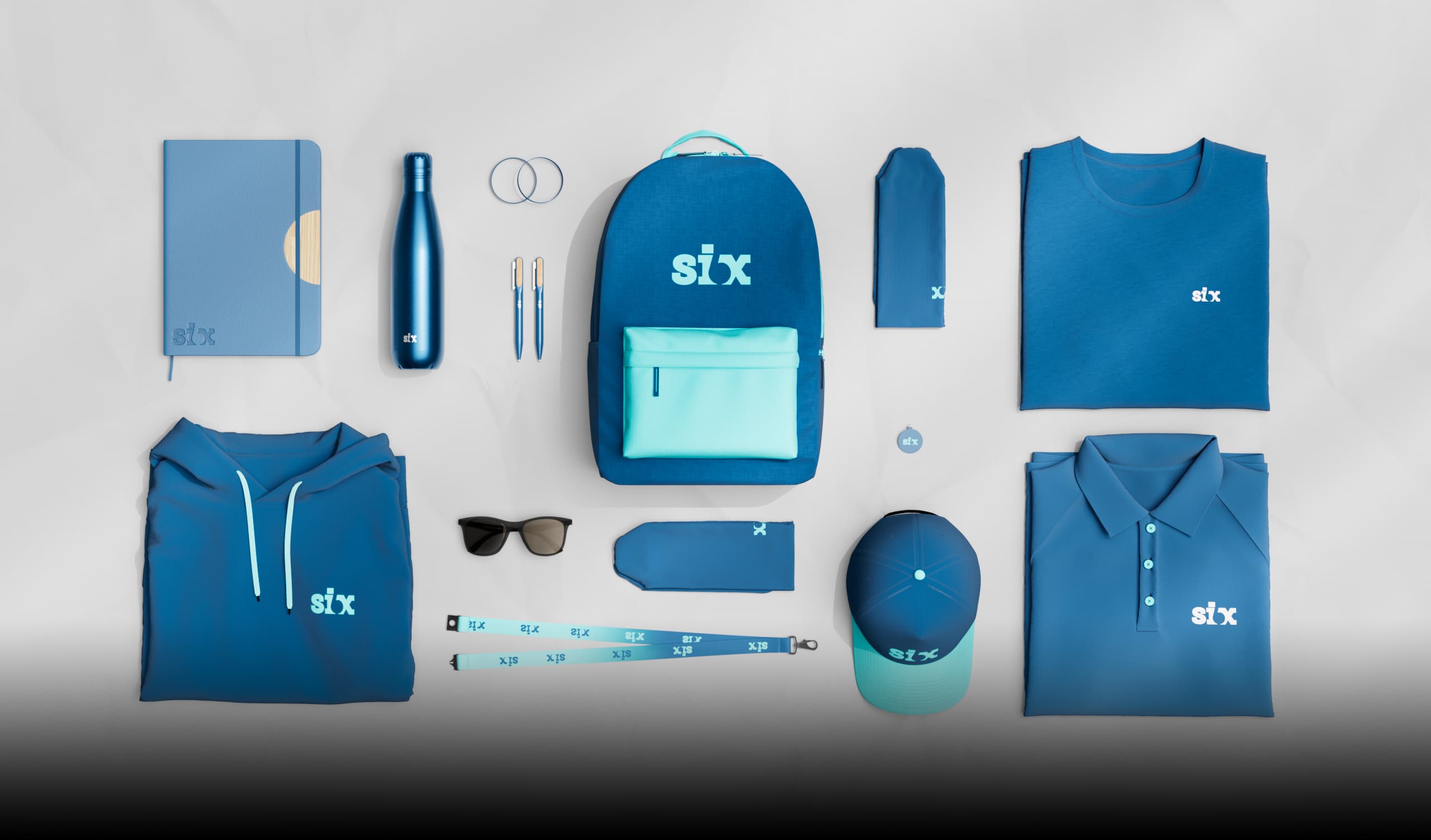
A branded item can make a message more tangible, but distributing it does not by itself prove a return. To evaluate a merchandise program, decide what it is meant to change, record the full cost and choose evidence that can reasonably show whether that change occurred.
There is no single universal “merchandise ROI” number. A staff onboarding kit, a supporter scarf and a trade-show giveaway have different purposes. You can calculate a financial return when revenue and costs are attributable. For awareness or community goals, report the relevant indicators separately rather than turning uncertain impressions into a sales figure.
Start with one primary goal and a time window. Examples include qualified event follow-ups over a defined measurement period, repeat purchases among recipients over a quarter, membership renewals at season end or staff participation in an onboarding program. Define the audience, distribution plan and what you will compare the result with.
Choose a baseline before the items are handed out. That might be a comparable event without a giveaway, a prior cohort, or a test group that receives a different treatment. A before-and-after comparison alone can be misleading if price, season, advertising or the audience changed at the same time.
Include product and decoration, setup, artwork work, proofs or samples, packaging, freight, taxes where relevant, distribution and any staff time you intend to count. Record the quantity actually handed out, not only the quantity ordered. A storage surplus or a batch that arrived after the event is still a cost of the campaign.
If one item serves several goals, do not divide its cost across goals arbitrarily to make each result look better. Show the shared cost and explain how you allocated it. Ask for a supplier-confirmed quote for the exact product, artwork, quantity and delivery requirements before you finalize the budget.
For a sales goal, use a unique campaign code, landing page or CRM campaign field where appropriate. Track the number of recipients who respond, the orders they place and the contribution margin of those orders. Revenue is not the same as profit; the cost of fulfilling the resulting sales matters when judging financial return.
For an event or lead-generation goal, record qualified conversations, follow-up meetings and later opportunities. Keep “item received,” “lead captured” and “customer acquired” as separate stages. For a retention goal, compare renewals or repeat purchases with a suitable group and account for different starting behavior.
Awareness can be measured with a small survey, recall question or direct feedback, but an estimated number of times an item might be seen is not an observed impression count. If you use a reach estimate for planning, state the assumptions and keep it separate from measured outcomes.
For a campaign with attributable incremental contribution, a useful formula is:
ROI = (attributable incremental contribution − total campaign cost) ÷ total campaign cost × 100.
Consider a hypothetical campaign that costs 2,000 currency units in total and produces 2,600 units of incremental contribution after the costs of fulfilling those sales. The calculated ROI is 30%. This example illustrates the arithmetic; it is not a MerchandAise customer result or a forecast for your campaign.
The difficult part is “attributable.” A customer may have seen an advertisement, visited a store or already planned to buy. Where possible, compare with a similar group that did not receive the item. If that is impractical, report a range or describe the evidence as association rather than proof of cause. A discount-code total alone may undercount people who respond another way and overstate the merchandise's role if the code was shared beyond recipients.
Review which item was kept, used or shared, which distribution channel reached the intended people, and whether the product suited the audience. Record complaints about fit, quality or timing alongside positive feedback. A cheap unit price is not a win if the item cannot be distributed or does not serve its purpose.
Use the findings to revise the next brief: product type, quantity, design, distribution and measurement method. Keep the comparison honest by recording what changed between campaigns. If the evidence is weak, say what you learned and what you will test next instead of claiming a precise return.
MerchandAise can help you explore supported products and review artwork in real-time 3D where that feature is available. The preview helps teams discuss a design; it does not establish production feasibility, price or campaign performance. Browse products, then bring your quantity, delivery destination and campaign brief to a supplier-reviewed enquiry for the specific offer.
Can I measure ROI without a discount code? Yes. A code is one possible attribution signal. CRM records, cohort comparisons, surveys and qualified follow-ups can provide evidence suited to the goal, though each has limits.
Do estimated impressions count as ROI? No. An estimate of potential views may help plan reach, but it is not revenue or an observed outcome. Report it as an assumption.
What if the goal is community rather than sales? Define a community measure such as participation, renewal or recipient feedback, and report the complete cost beside it. Do not manufacture a monetary ROI where the evidence cannot support one.
Published July 1, 2025 - by Marc
Updated October 1, 2026