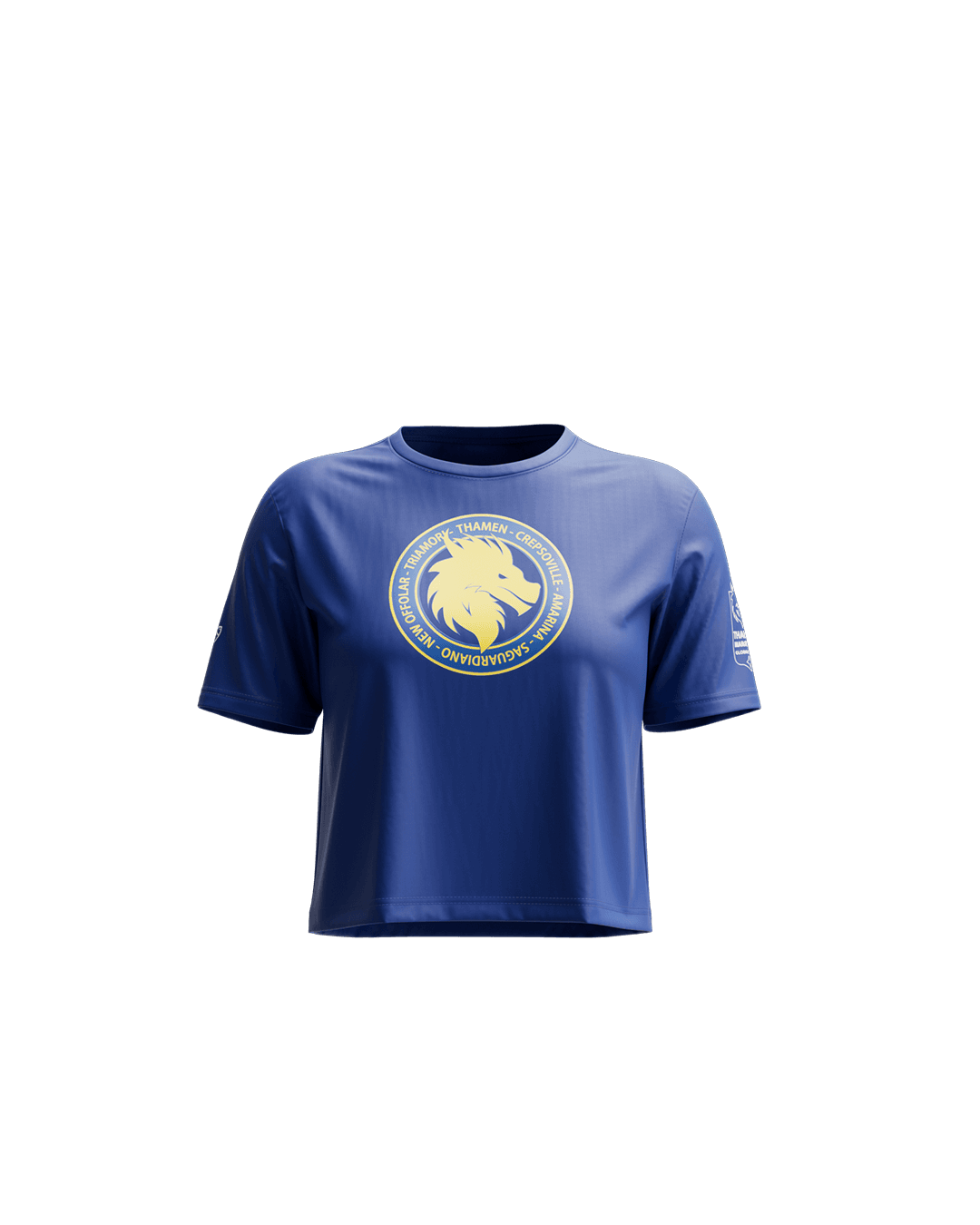
A TPU logo is a badge or transfer made using thermoplastic polyurethane. It can provide a raised or flexible finish on apparel and accessories, but the result depends on the badge construction, adhesive, garment material and application process. “TPU printing” is not a guarantee of a particular appearance, wash performance or production method.
Start with the garment and the intended use
Tell the producer what the logo will be applied to, where it sits and how the item will be used and cared for. Ask whether the proposed badge and application process are suitable for that exact fabric, stretch, coating and construction. Suitability for one garment does not establish suitability for another.
Compare decoration methods against the same brief
| Method | What to assess | What to confirm on a sample |
|---|
| TPU badge or transfer | Raised appearance, flexibility, edge definition and attachment method | Bonding, feel, movement and care requirements on the actual material |
| Embroidery | Stitched texture, thread colors, design detail and garment support | Stitch quality, backing, puckering and comfort at the chosen position |
| Screen printing | Printed coverage, ink system, colors and production setup | Detail, opacity, feel and performance on the chosen fabric |
There is no universally best method. Price and minimum quantity depend on the complete production specification, including logo dimensions, artwork, number of positions and order quantity. Do not assume TPU always costs less than embroidery, reproduces every gradient or outlasts every print.
Prepare artwork the producer can evaluate
Provide the original artwork file if available, the intended dimensions and placement, and any color references. Ask the producer to confirm minimum line thickness, small-text limits, achievable detail and any required changes for the proposed technique. Review these changes on the proof before accepting them.
Check rights to club badges, sponsor logos and other protected artwork. An image found online can explain a visual idea without granting permission to reproduce it.
Approve a sample on the actual product
A loose badge or a 3D render cannot establish how the logo behaves on the garment. Review an applied sample for appearance, placement, edges, feel and movement. Ask for the applicable care instructions and evidence for any durability claim. If a test result is supplied, check the method, conditions and materials it covers rather than assuming it applies to every product.
Avoid choosing generic heat, pressure or time settings from an unrelated example. Application settings need to come from the producer for the specific badge, adhesive, fabric and equipment.
Use 3D for design decisions, then confirm the physical result
For supported products, MerchandAise’s product-native 3D view can help review artwork placement, scale and visual options. It does not replace fit checks, material assessment or mandatory technical testing. The confirmed quote explains available customer-sample choices, costs, limitations and timing. Production requires the exact digital-proof approval, confirmed producibility, mandatory technical checks and any sample approval required or selected for the order. Existing accepted-order requirements remain binding.
Send a complete logo brief
Include the product reference, fabric information, artwork, logo dimensions, placement, quantity by variant, expected use and care, delivery destination and required date. Ask MerchandAise to review the supported decoration options. Price, minimum quantity and timing require confirmation for the exact product and design; changing the specification can require a new sample or quote.